Methods and guides
Free molecular biology methods and guides from The Bond Lab: qPCR and PCR primer design, western blotting buffers, western blotting tips, EMSA tips, melt curve analysis, qPCR data analysis, MIQE checklist for qPCR publications, GSEA interpretation guide, reporter gene assays (11-part guide), gelatin and casein zymography, grant writing tips, and paper publication tips, and how to use B.E.E.P. (ENCODE promoter & ChIP overlap), and mapping transcription factor binding sites. These explainers support education and research; confirm methods with your lab standards. See also protocols (e.g. calcium phosphate transfection) and free molecular biology tools (e.g. restriction enzyme digest map).
Guides
Open a card for the full article.
Reporter gene assays guide
An 11-part comprehensive guide on designing and running reporter gene assays — from reporter choice and vector design through controls, troubleshooting, and high-throughput screening. Start with Part 1.
 Part 1
Introduction to reporter assays
What reporter assays measure and why assay design matters as much as reporter choice.
Part 2
Types of reporter genes
Colorimetric, fluorescent, and luciferase reporters compared.
Part 3
Secreted or cellular reporters
When to sample medium versus lysing cells for repeated readouts.
Part 4
Destabilised reporters
PEST tags and short half-life reporters for kinetic measurements.
Part 5
Choosing the right promoter
Constitutive, inducible, and synthetic promoters for reporters.
Part 6
Choosing the right vector
Backbone elements, selection markers, and vector artefacts.
Part 7
Assay normalisation
Dual-reporter ratios and correcting for transfection efficiency.
Part 8
Controls
Positive, negative, promoterless, and empty-vector controls.
Part 9
Troubleshooting
Low signal, high background, and common failure modes.
Part 10
High-throughput screening
Z′, pilot plates, hit rates, and counter-screens.
Part 11
Top 15 tips
A practical checklist distilled from the full series.
Part 1
Introduction to reporter assays
What reporter assays measure and why assay design matters as much as reporter choice.
Part 2
Types of reporter genes
Colorimetric, fluorescent, and luciferase reporters compared.
Part 3
Secreted or cellular reporters
When to sample medium versus lysing cells for repeated readouts.
Part 4
Destabilised reporters
PEST tags and short half-life reporters for kinetic measurements.
Part 5
Choosing the right promoter
Constitutive, inducible, and synthetic promoters for reporters.
Part 6
Choosing the right vector
Backbone elements, selection markers, and vector artefacts.
Part 7
Assay normalisation
Dual-reporter ratios and correcting for transfection efficiency.
Part 8
Controls
Positive, negative, promoterless, and empty-vector controls.
Part 9
Troubleshooting
Low signal, high background, and common failure modes.
Part 10
High-throughput screening
Z′, pilot plates, hit rates, and counter-screens.
Part 11
Top 15 tips
A practical checklist distilled from the full series.
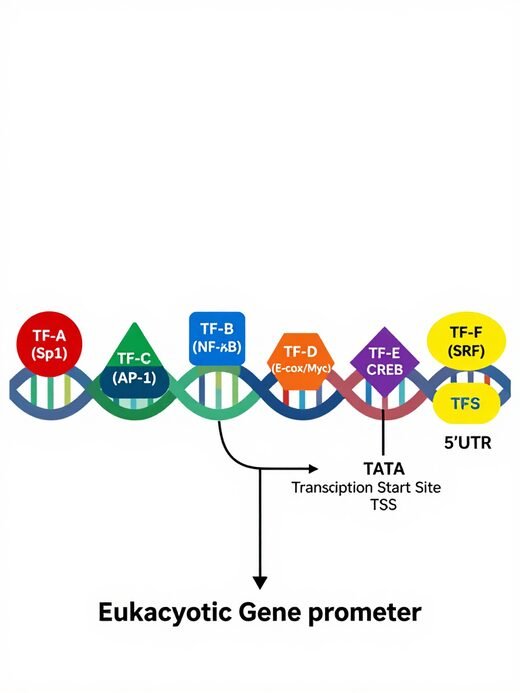 A practical guide to mapping and interrogating transcription factor binding sites
From promoter motif scanning and ENCODE ChIP-seq to reporter assays, EMSA, ChIP, and ChEA3 — a
complete TFBS workflow with BondLab tools.
A practical guide to mapping and interrogating transcription factor binding sites
From promoter motif scanning and ENCODE ChIP-seq to reporter assays, EMSA, ChIP, and ChEA3 — a
complete TFBS workflow with BondLab tools.
 How to use the BondLab ENCODE Enabled Promoter (B.E.E.P.) analysis tools
User guide: batch human promoter BED from RefSeq TSS, ENCODE TF ChIP peaks, bigWig signal overlap,
boolean TF filters, and exports for IGV.
How to use the BondLab ENCODE Enabled Promoter (B.E.E.P.) analysis tools
User guide: batch human promoter BED from RefSeq TSS, ENCODE TF ChIP peaks, bigWig signal overlap,
boolean TF filters, and exports for IGV.
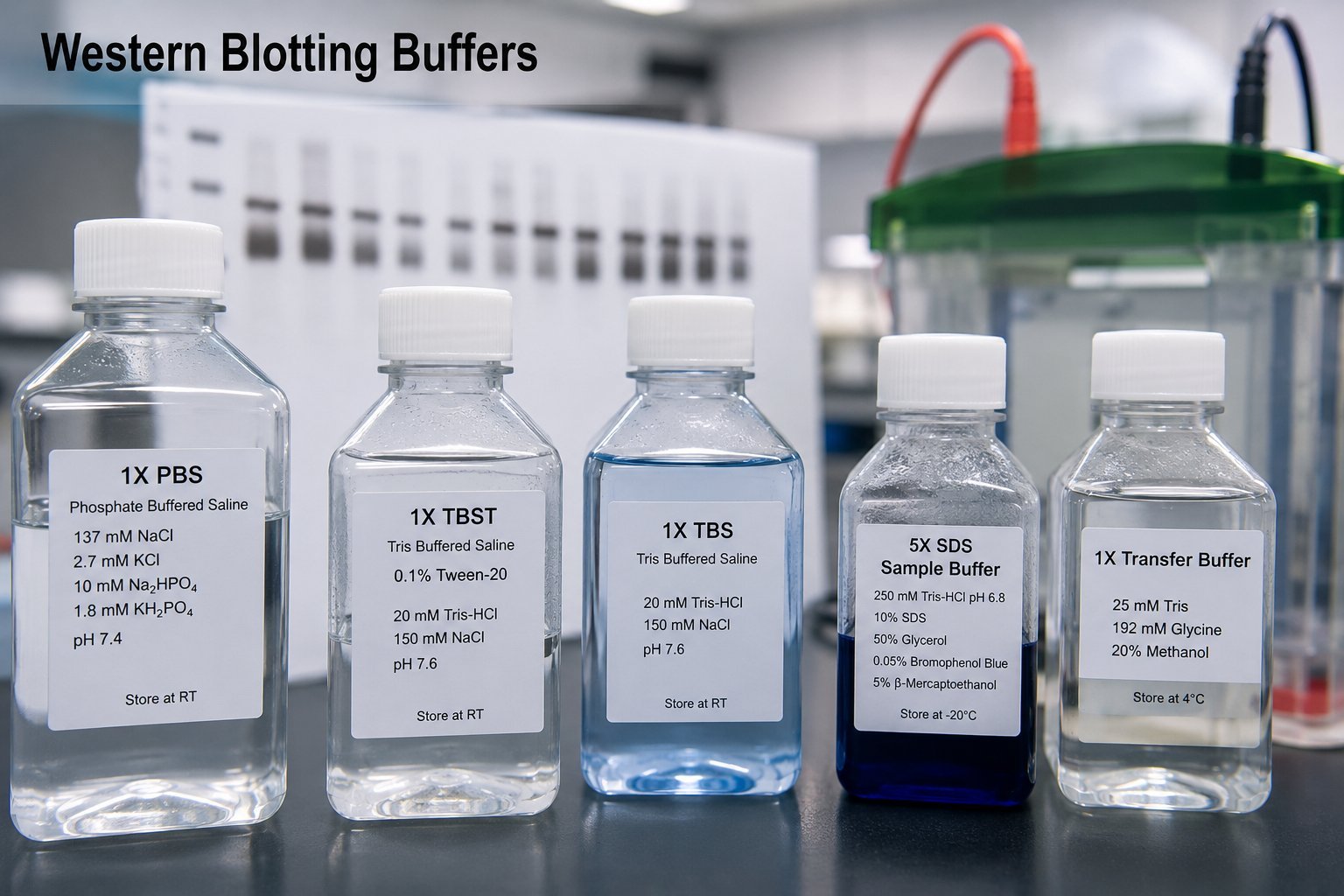 Western blot lysis buffer recipe
Lysis buffer for western blotting: why SDS often beats RIPA, with 50 ml SDS lysis and Super Western
blocking buffer recipes.
Western blot lysis buffer recipe
Lysis buffer for western blotting: why SDS often beats RIPA, with 50 ml SDS lysis and Super Western
blocking buffer recipes.
 Top 10 tips for successful western blotting
Practical western blotting advice: primary antibodies, transfer, blocking, ECL, reprobing, washing, and
publication-quality blots from the Bond Lab.
Top 10 tips for successful western blotting
Practical western blotting advice: primary antibodies, transfer, blocking, ECL, reprobing, washing, and
publication-quality blots from the Bond Lab.
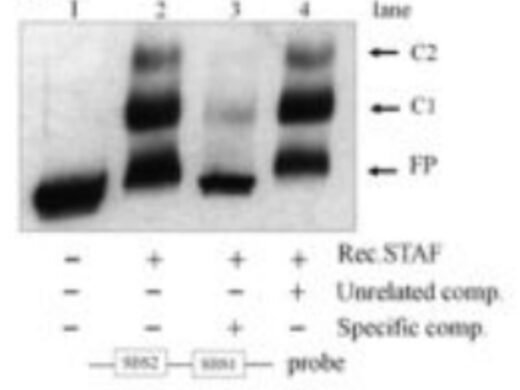 Top 10 tips for successful EMSAs
Gel shift assay advice from the Bond Lab: protein quality, probe design, competitors, native PAGE, controls,
and publication-quality EMSA data.
Top 10 tips for successful EMSAs
Gel shift assay advice from the Bond Lab: protein quality, probe design, competitors, native PAGE, controls,
and publication-quality EMSA data.
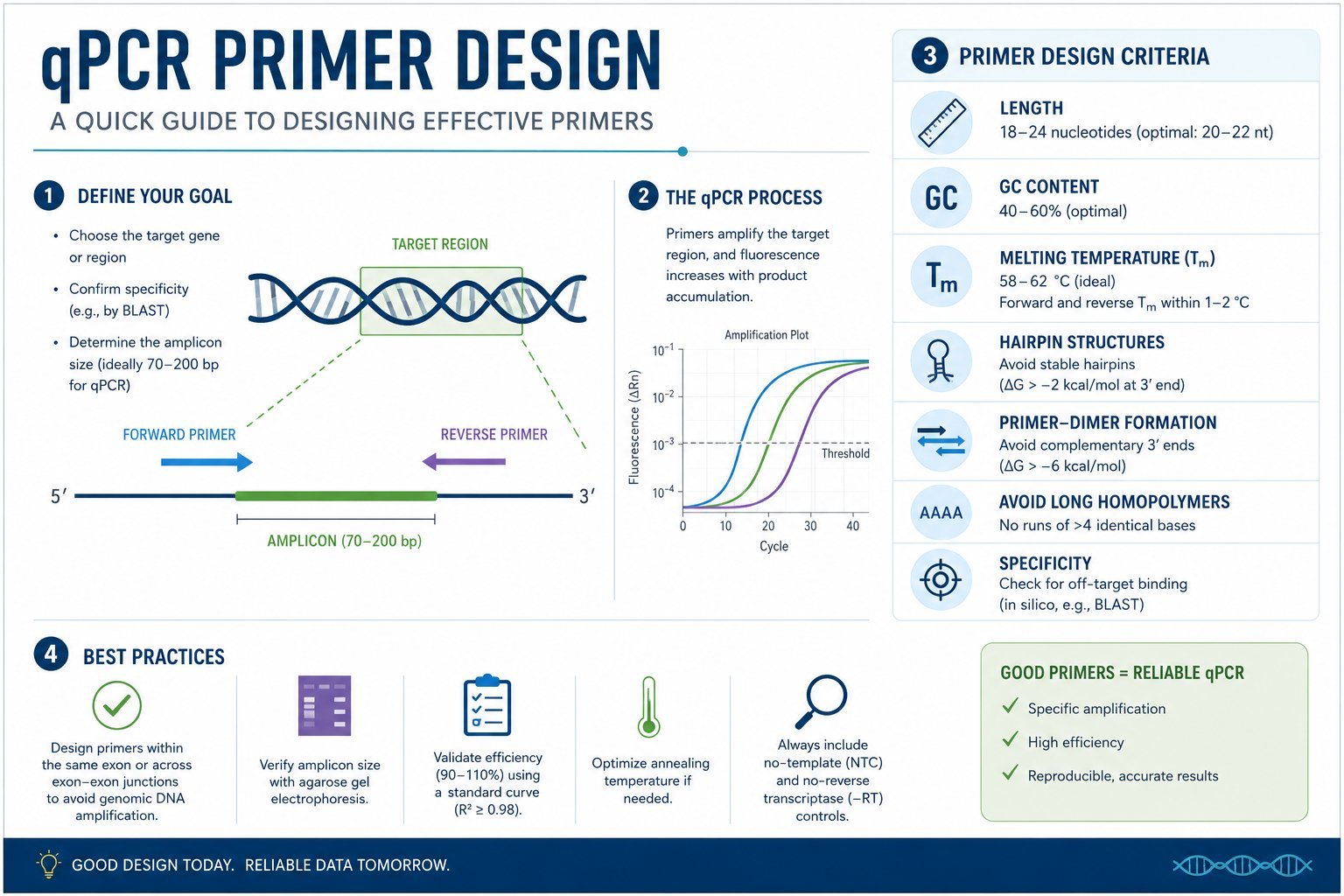 qPCR and PCR primer design
Use NCBI Gene and Primer-BLAST to design human GAPDH primers — settings for product size, Tm, and
specificity, plus tips on cost versus commercial assay kits.
qPCR and PCR primer design
Use NCBI Gene and Primer-BLAST to design human GAPDH primers — settings for product size, Tm, and
specificity, plus tips on cost versus commercial assay kits.
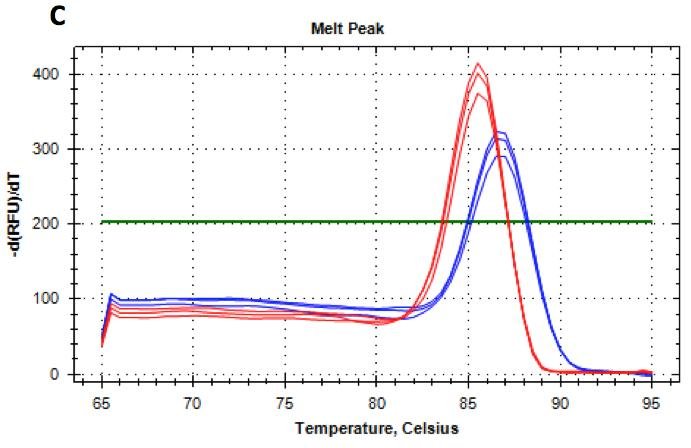 Melt curve analysis (qPCR)
Melt analysis for SYBR Green qPCR: single vs multiple peaks, primer dimers, and how to read melt curves
with amplification plots and controls.
Melt curve analysis (qPCR)
Melt analysis for SYBR Green qPCR: single vs multiple peaks, primer dimers, and how to read melt curves
with amplification plots and controls.
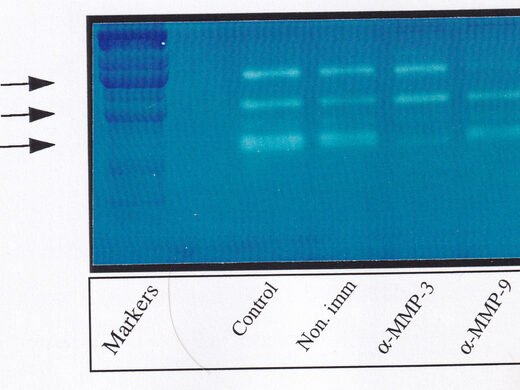 Gelatin and casein zymography
Detect MMP-2, MMP-9, and MMP-3 by substrate-embedded gels: sample handling, renaturation, inhibitor
controls, and interpreting clear bands.
Gelatin and casein zymography
Detect MMP-2, MMP-9, and MMP-3 by substrate-embedded gels: sample handling, renaturation, inhibitor
controls, and interpreting clear bands.
 qPCR data analysis
Making sense of Ct values: QC, normalization, ΔΔCt, Pfaffl efficiency, fold changes,
statistics, and MIQE reporting.
qPCR data analysis
Making sense of Ct values: QC, normalization, ΔΔCt, Pfaffl efficiency, fold changes,
statistics, and MIQE reporting.
 MIQE checklist for qPCR publications
A practical MIQE guide: RNA quality, primer validation, PCR efficiency, reference genes, controls,
transparent methods reporting, and reproducibility.
MIQE checklist for qPCR publications
A practical MIQE guide: RNA quality, primer validation, PCR efficiency, reference genes, controls,
transparent methods reporting, and reproducibility.
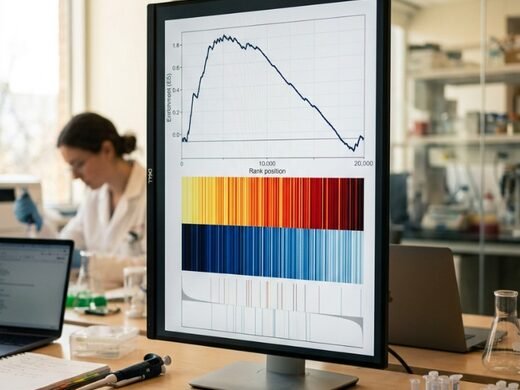 How to interpret GSEA results
Gene set enrichment analysis explained: ranked lists, enrichment plots, ES, NES, FDR, leading edge genes,
and common interpretation mistakes.
How to interpret GSEA results
Gene set enrichment analysis explained: ranked lists, enrichment plots, ES, NES, FDR, leading edge genes,
and common interpretation mistakes.
 Grant writing tips
Ten practical grant writing tips: timelines, the rule of three, preliminary data, value for money, and
publishing.
Grant writing tips
Ten practical grant writing tips: timelines, the rule of three, preliminary data, value for money, and
publishing.

More guides will be added over time. Suggestions are welcome via Contact Us.